10th April 2026
How Have Student Accommodation Trends Changed?
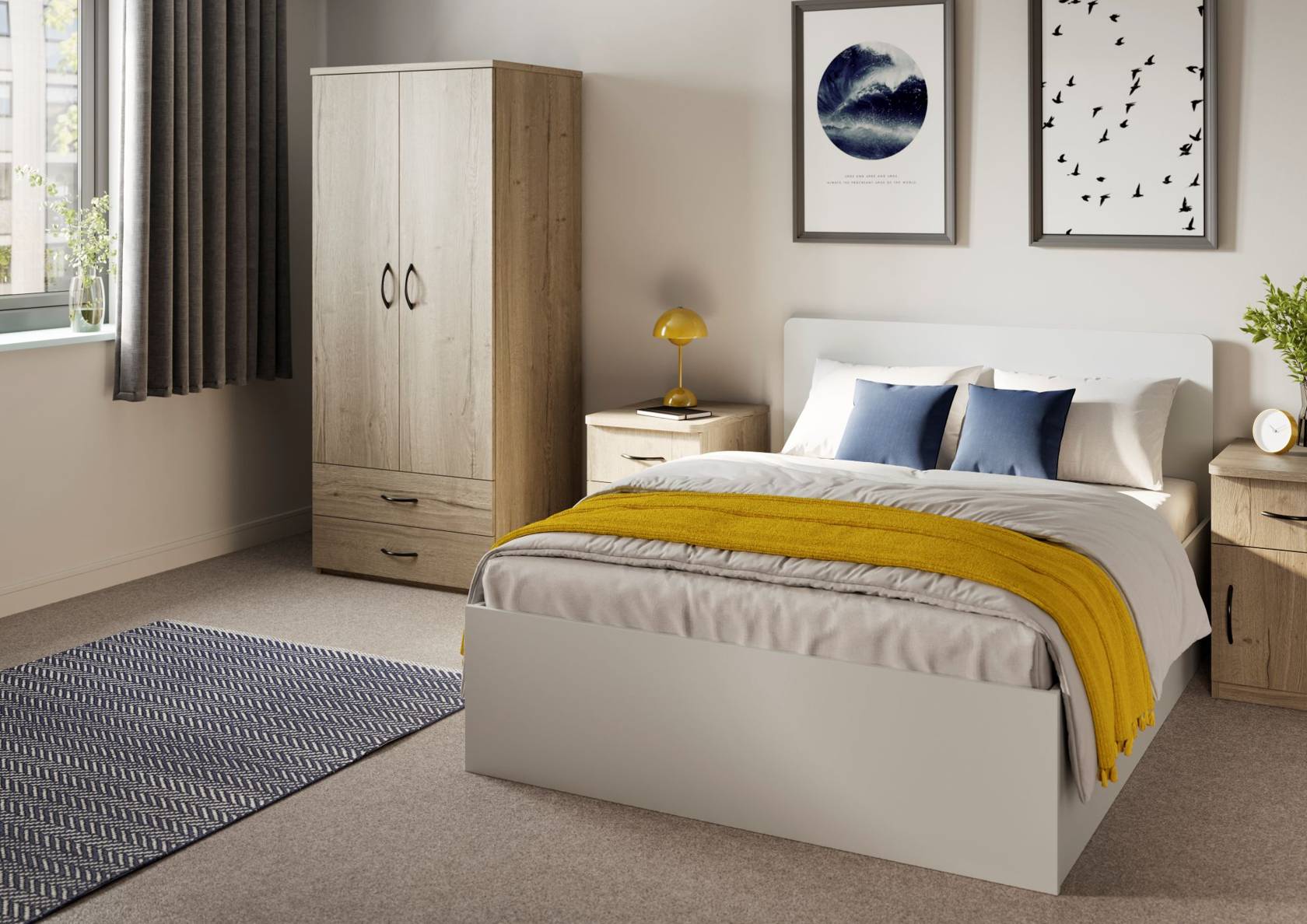
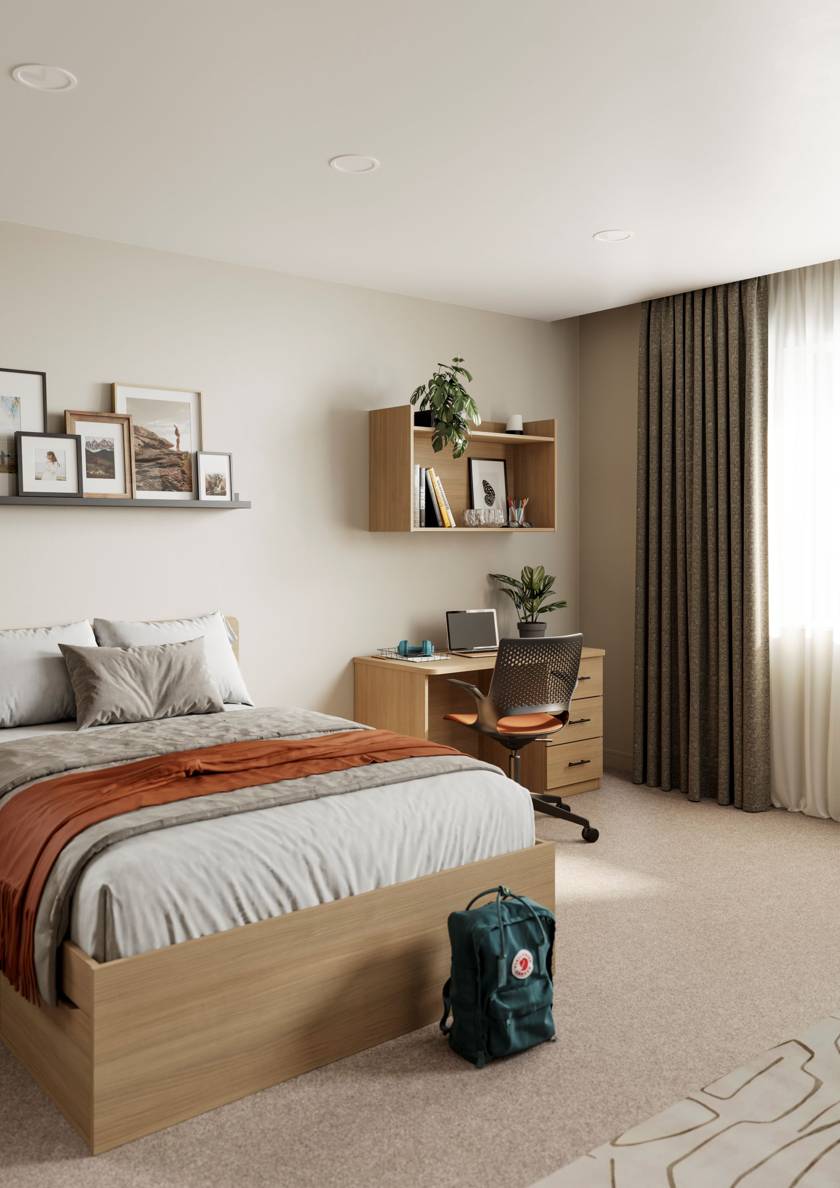
The student accommodation sector (particularly Purpose-Built Student Accommodation or PBSA) has undergone a significant transformation over the past decade. What was once a purely functional environment has evolved into a lifestyle-driven, design-led product that increasingly mirrors trends seen in mainstream residential and hospitality sectors.
For furniture manufacturers, this shift presents both a challenge and an opportunity: to deliver products that balance durability and density with comfort, flexibility and emotional appeal.
From Functional to Experimental Living
Historically, student accommodation prioritised efficiency - maximising bed spaces with minimal investment in furniture or interior quality. Today, this model is no longer viable. Students (especially Gen Z) expect environments that support studying, socialising and wellbeing in equal measure.
Modern schemes are now designed as multi-functional living ecosystems, combining private, social and wellness spaces. Interiors are expected to perform as:
- Bedrooms
- Study areas
- Social hubs
- Wellness retreats
This shift means furniture is no longer static or single-purpose, it must enable fluid use of space throughout the day.
The Rise of Residential-Style Design
One of the most important changes in student accommodation is the move toward a residential, homely aesthetic, as students increasingly prioritise accommodation that feels personal and emotionally supportive or a "home away from home".
Of course in the commercial workplace sector we have seen this trend take flight over the past few years, with employers looking for spaces that seek comfort, belonging and a sense of identity.
How does this translate into furniture?
- Softer silhouettes over rigid, utilitarian forms
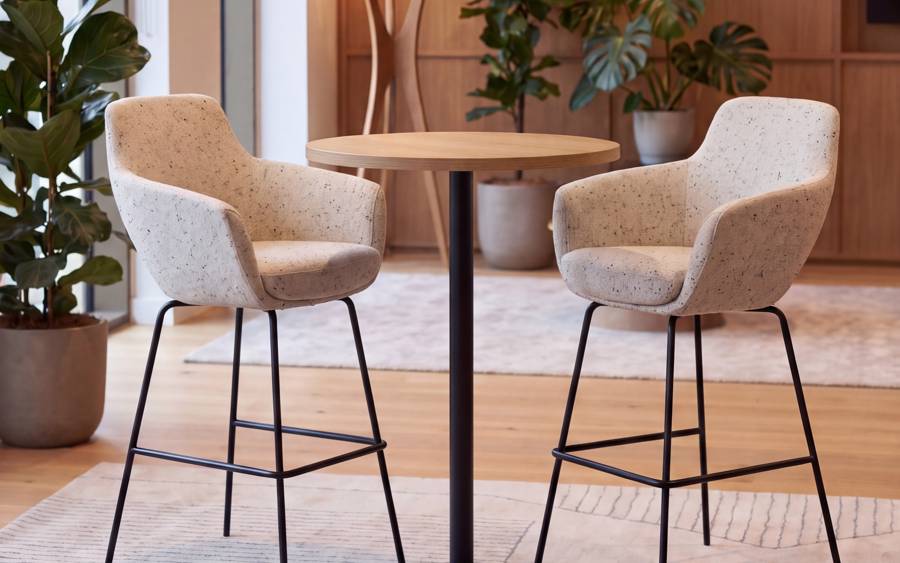
- Upholstered elements that mimic residential lounges
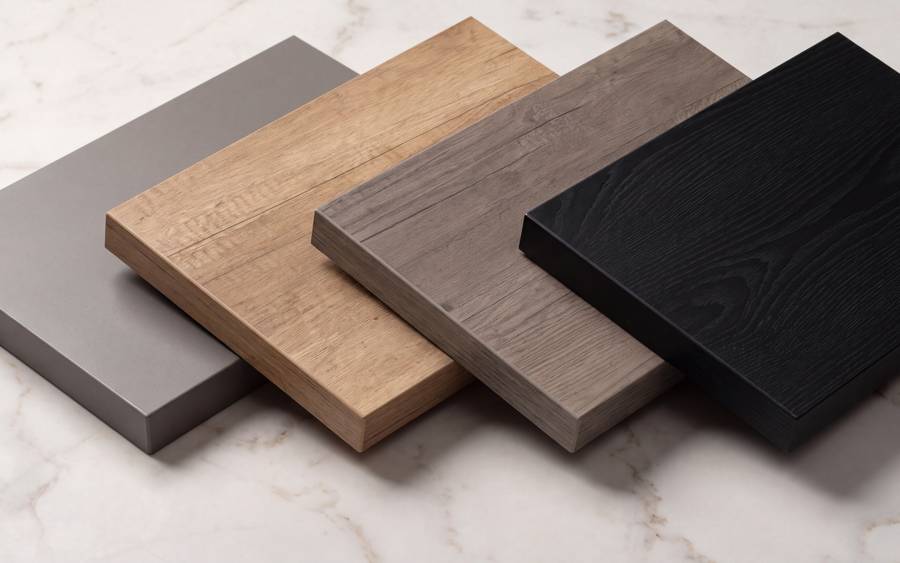
- Timber style finishes replacing laminates where possible
- Cohesive furniture “collections” rather than standalone items
Flexible & Multi-Functional Living Spaces
With space at a premium, flexibility is essential. Students expect rooms to adapt between study, relaxation and social use by utilising clever solutions such as:
- Hidden storage (such as the under bed drawers or headboard shelves found on our Premium Student Beds)
- Multi-use surfaces or furniture
- Modular seating for shared areas (like our Manhattan sofa)
What Else Can We Expect?
- Sustainability and material consciousness, ensuring long lifecycle performance in high-turnover environments
- Technology integration, as digital-native students expect seamless tech integration within their living spaces (like our JIG On-Desk Power Mini)
- Hospitality influence and premiumisation - PBSA is becoming increasingly hospitality-driven, with operators differentiating through experience and perceived quality
For Hawk, success in this sector will depend on delivering "resimercial" solutions: furniture that feels like home but performs like a commercial product.
As student expectations continue to rise, the role of furniture will only become more critical - not just in filling a space, but in shaping how that space is experienced.